Ensuring the safety and well-being of everyone within an organization’s premises is not just a responsibility; it’s a paramount commitment. Sudden Cardiac Arrest (SCA) can strike anyone, anywhere, at any time, making immediate access to life-saving equipment critically important. This is where Automated External Defibrillators, or AEDs, come into play as indispensable tools for emergency preparedness. At EveryBeat, we understand that a comprehensive safety strategy begins with proactive measures and accessible resources, ensuring peace of mind for both employers and employees.

The Urgency of Immediate Response
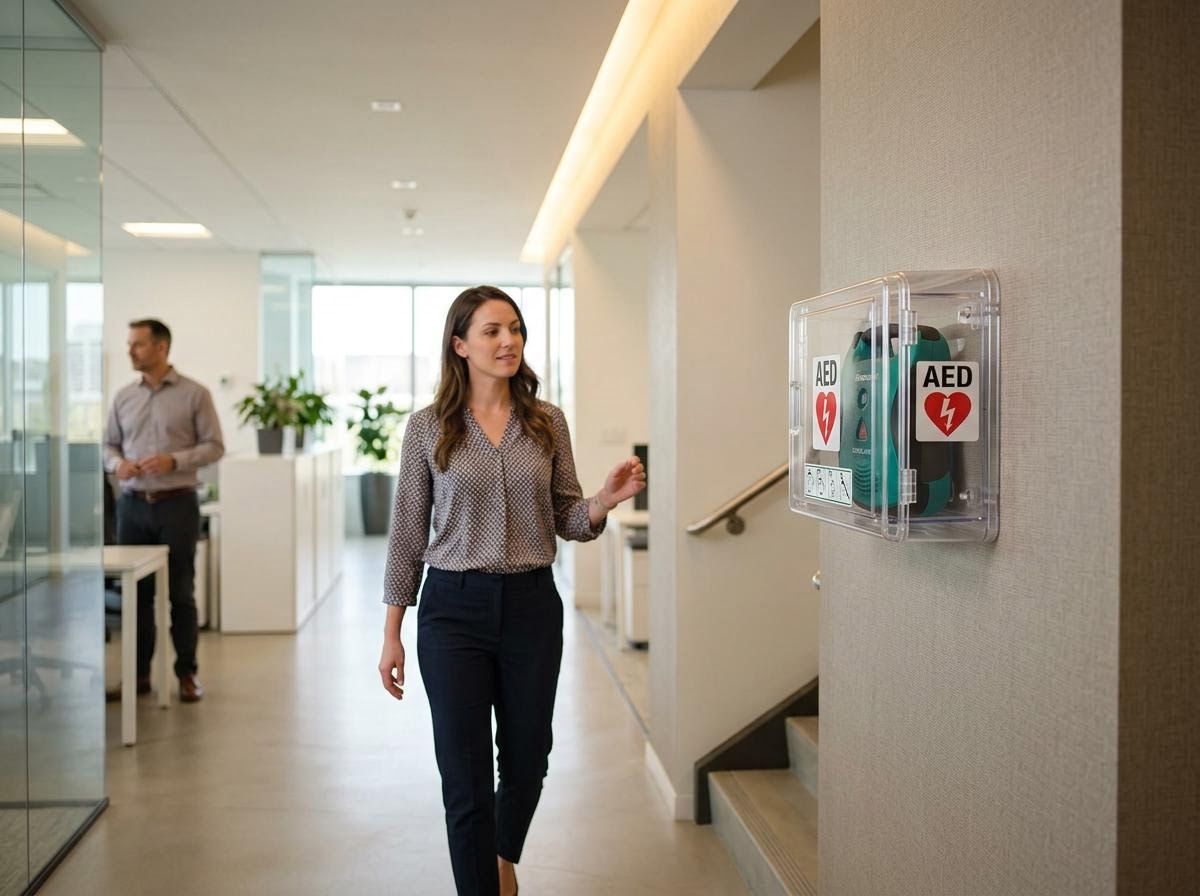
When a sudden cardiac arrest occurs, every second counts. For every minute that passes without defibrillation, the chance of survival decreases by 7-10%. This stark reality underscores why having an accessible AED on site is not merely a recommendation, but a crucial component of any robust safety program. The ability to quickly retrieve and use an AED can dramatically improve outcomes, bridging the gap until professional medical help arrives. Equipping your premises with these devices empowers bystanders to act swiftly and confidently in a life-threatening situation.
Expanding Safety Across Diverse Environments
The need for accessible AEDs extends far beyond traditional office spaces, encompassing a wide array of environments where people gather or work. Consider the bustling hallways of educational institutions, where AEDs for schools can make a profound difference for students, staff, and visitors alike. Similarly, Industrial environments present unique safety challenges. From manufacturing plants to community centers, and even retail establishments, any location with human traffic benefits immensely from the presence of a readily available AED, ensuring preparedness for unexpected cardiac events.
Selecting the Right Device
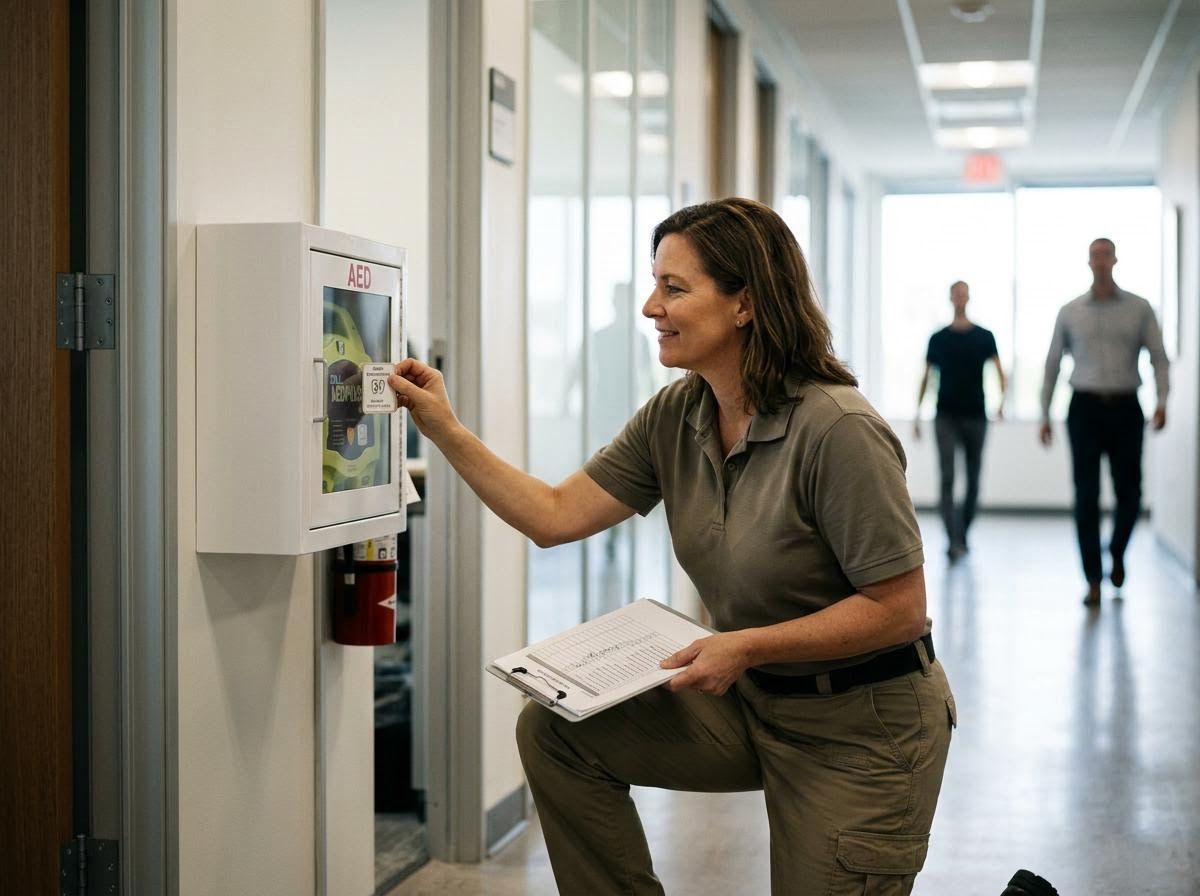
Choosing an AED involves considering factors like ease of use, durability, and advanced features. Trusted models like the Zoll AED Plus and Defibtech Lifeline AED are popular choices due to their reliability and user-friendly interfaces, often featuring voice prompts and visual cues to guide rescuers. However, simply owning an AED is not enough; its effectiveness hinges on proper maintenance and regular checks. Implementing an AED maintenance checklist is essential to guarantee that the device is always in working order and ready for deployment. This includes monitoring battery life, checking pad expiration dates, and ensuring the device is always clearly visible and accessible to trained personnel.
Being Prepared
Beyond the physical device, an accessible AED program is about making sure everyone is prepared. It involves training staff, developing emergency response plans, and regularly auditing the system to ensure compliance and effectiveness. When organizations prioritize these measures, they not only meet regulatory requirements but also demonstrate a profound commitment to the well-being of everyone on their premises. This dedication translates into a safer environment where employees feel valued and secure, mirroring the comfort they feel at home.
Prioritizing accessible AEDs is a demonstration of an organization's commitment to safety and readiness. EveryBeat is dedicated to helping you establish and maintain high-quality, life-saving systems that protect your most valuable assets: your people. We empower organizations to respond effectively to sudden cardiac emergencies, ensuring that when moments matter most, you are prepared. To learn more about comprehensive AED program management and how we can support your organization's safety initiatives, explore our solutions today.