
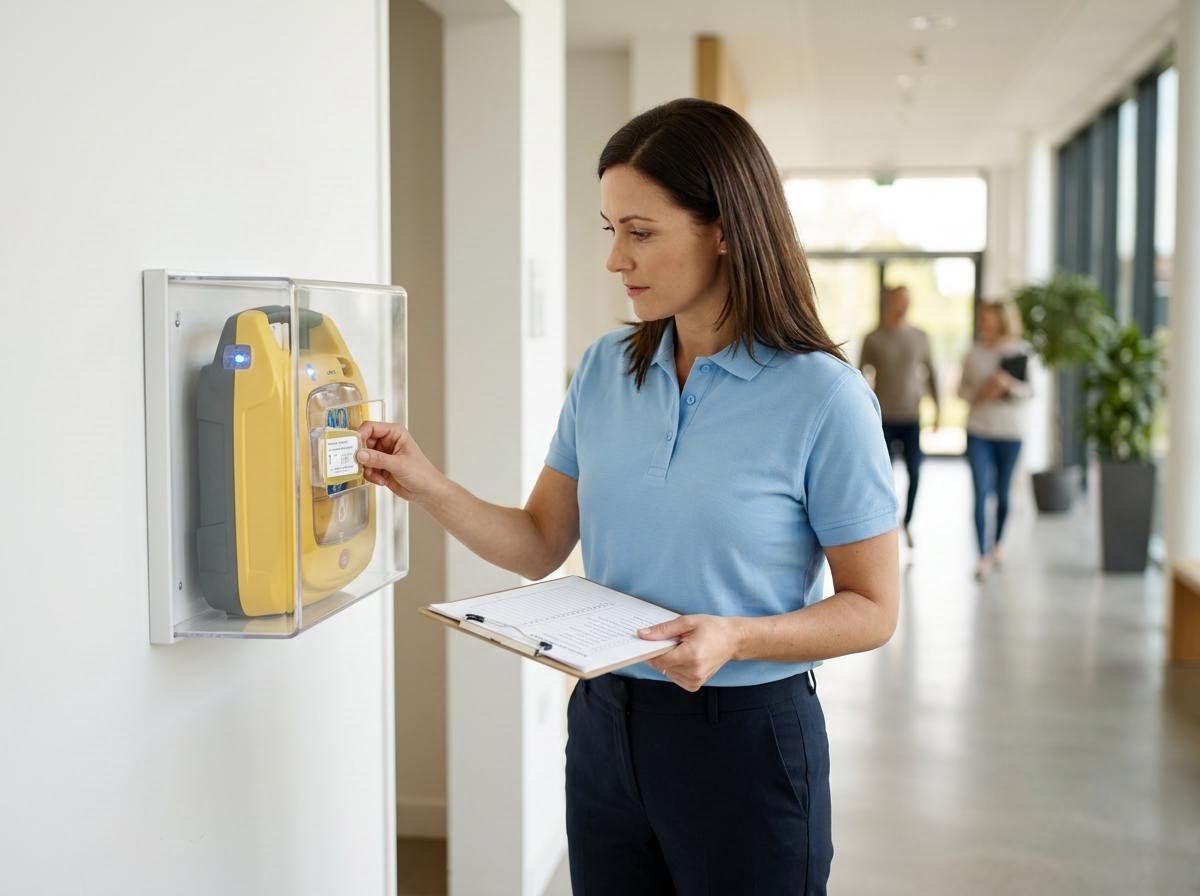
Automated External Defibrillators (AEDs) are indispensable life-saving devices, ready to deliver a crucial shock during sudden cardiac arrest. However, an AED is only effective if it's fully functional when needed most. At EveryBeat, we understand that peace of mind comes from knowing your equipment is always ready, and that readiness hinges on consistent, proactive maintenance. Preventing AED failures isn't just about compliance; it's about safeguarding lives with reliable, always-on technology.
The Critical Importance of AED Care
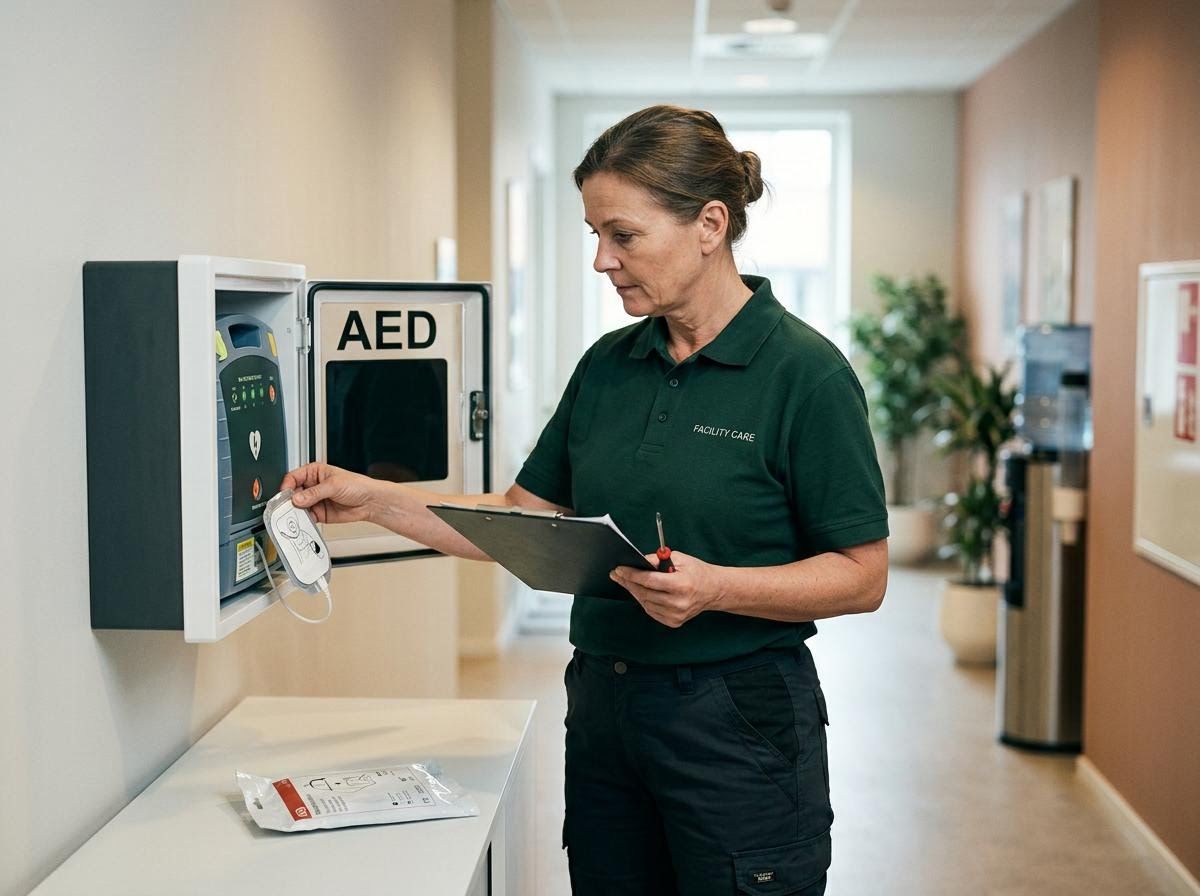
Imagine a sudden cardiac arrest scenario where every second counts, and the AED you rely on fails due to a dead battery or expired pads. This possibility underscores why regular AED maintenance is not merely a recommendation, but an absolute necessity. Just like any other critical piece of equipment, AEDs require scheduled checks to ensure they perform optimally during an emergency. Neglecting these devices can render them useless, turning a potential rescue into a tragic missed opportunity. A robust AED maintenance checklist is your first line of defense against such failures, ensuring all components are up to par.
Elements of an AED Maintenance Program
Effective AED maintenance involves several critical steps to keep your device ready for action. Primarily, this includes regularly checking battery life and expiration dates for electrode pads. Batteries typically have a lifespan of 2-5 years, while pads usually expire after 2 years. These components must be replaced well before their expiration to ensure full functionality. For specific devices like the Zoll AED Plus or the Defibtech Lifeline AED, manufacturers often provide specific guidelines that should be meticulously followed. Beyond these consumables, a visual inspection of the device for any signs of damage or tampering, and verification that it passes its self-tests, are also vital parts of a thorough maintenance routine.

Tailoring Maintenance to Your Environment
Different environments present unique challenges and considerations for AED placement and maintenance. For instance, AEDs for schools require robust management due to high traffic and diverse user groups, necessitating clear placement, regular checks, and accessible training. Similarly, a dental office aeds program needs to consider the confined space, the specific patient demographic, and the integration of the AED into emergency protocols. Whether in a bustling corporate office, a quiet community center, or a specialized clinic, a proactive maintenance schedule must be tailored to the specific context. This ensures that the AED is not only present but also fully prepared for the distinct emergencies that might arise in that particular setting.
Proactive maintenance is the cornerstone of a life-saving AED program. By consistently monitoring components, adhering to manufacturer guidelines, and adapting your strategy to your unique environment, you ensure that these vital devices are always prepared to protect. EveryBeat is dedicated to helping organizations establish and maintain high-quality, compliant AED programs, ensuring readiness when it matters most. To learn more about optimizing your AED program and ensuring peak performance, explore our resources on comprehensive program management.