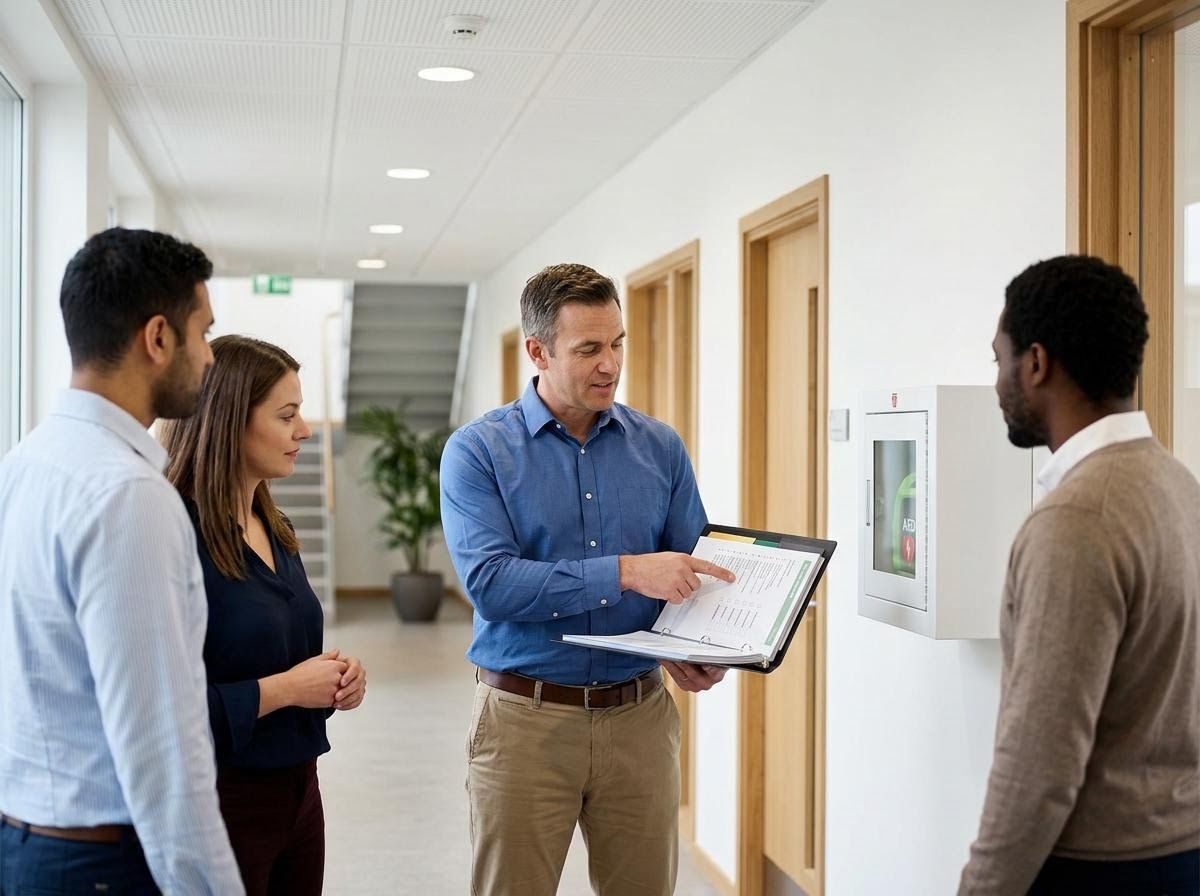
As a facility manager, ensuring the safety and well-being of everyone within your premises is a top priority, a responsibility EveryBeat deeply understands. Implementing and managing an Automated External Defibrillator (AED) program is a critical component of a comprehensive safety strategy, offering a vital line of defense against sudden cardiac arrest. However, a successful AED program extends far beyond simply purchasing devices; it requires meticulous planning, ongoing maintenance, and consistent readiness. This post will guide you through key considerations for building and sustaining an effective AED program in your facility.
Strategic Placement and Device Selection
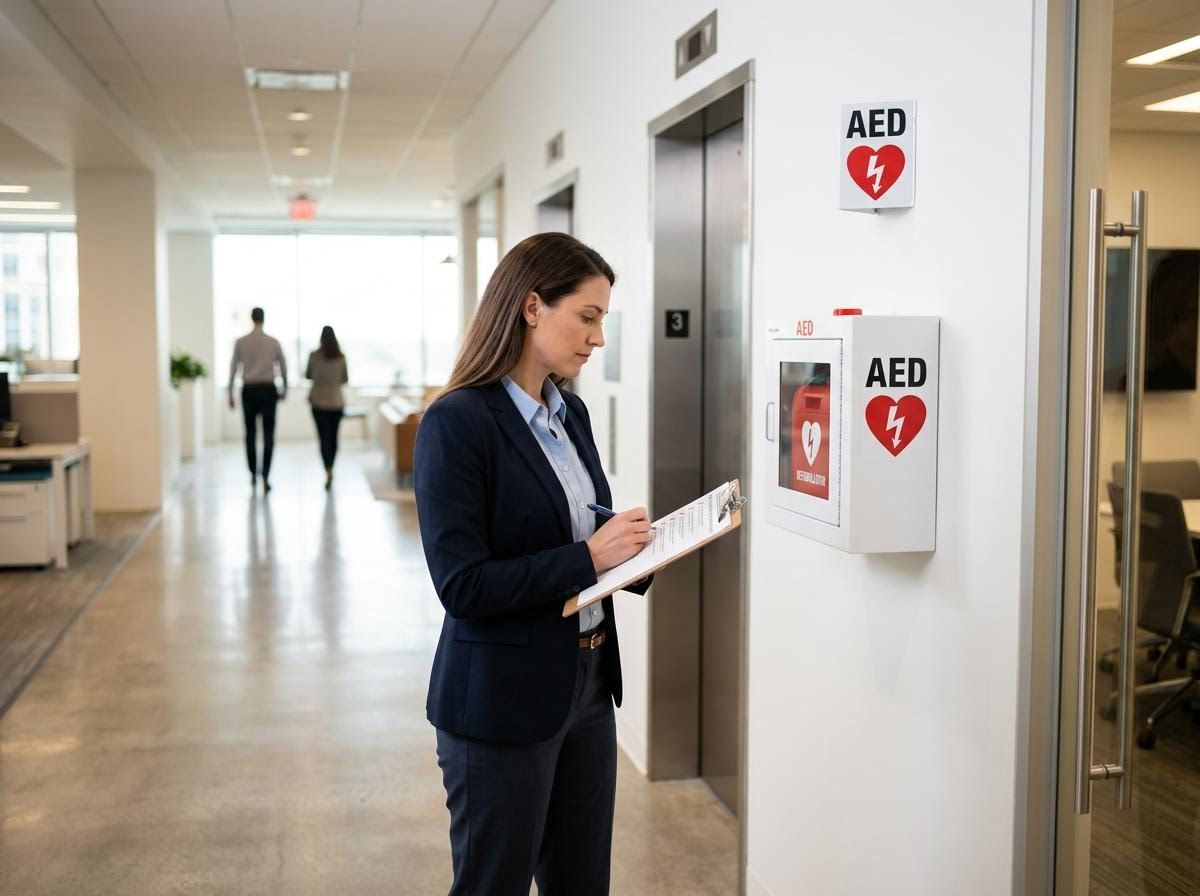
The effectiveness of an AED program begins with the strategic placement of devices. Consider high-traffic areas, zones with specific risk factors, and areas where immediate access is crucial. For instance, AEDs for schools should be easily accessible in gymnasiums, cafeterias, and administrative offices. Similarly, dental office AEDs should be prominent and known to all staff. When selecting devices, understand the features and reliability of various models. Popular choices like the Zoll AED Plus and Defibtech Lifeline AED are recognized for their user-friendliness and robust design, but the best choice depends on your specific environment and needs. Ensure that chosen devices are visible, unobstructed, and clearly marked so anyone can locate them quickly in an emergency.
Training and Preparedness
Having AEDs on-site is only half the battle; ensuring that your staff is properly trained to use them is paramount. A people-first approach means investing in regular, hands-on training for a sufficient number of employees across all shifts and departments. This training should cover not only how to operate the AED but also basic CPR, recognizing the signs of sudden cardiac arrest, and activating emergency medical services. Regular refresher courses are essential to maintain proficiency and confidence. A well-trained team can act decisively, significantly improving outcomes when every second counts.
Maintenance and Program Oversight
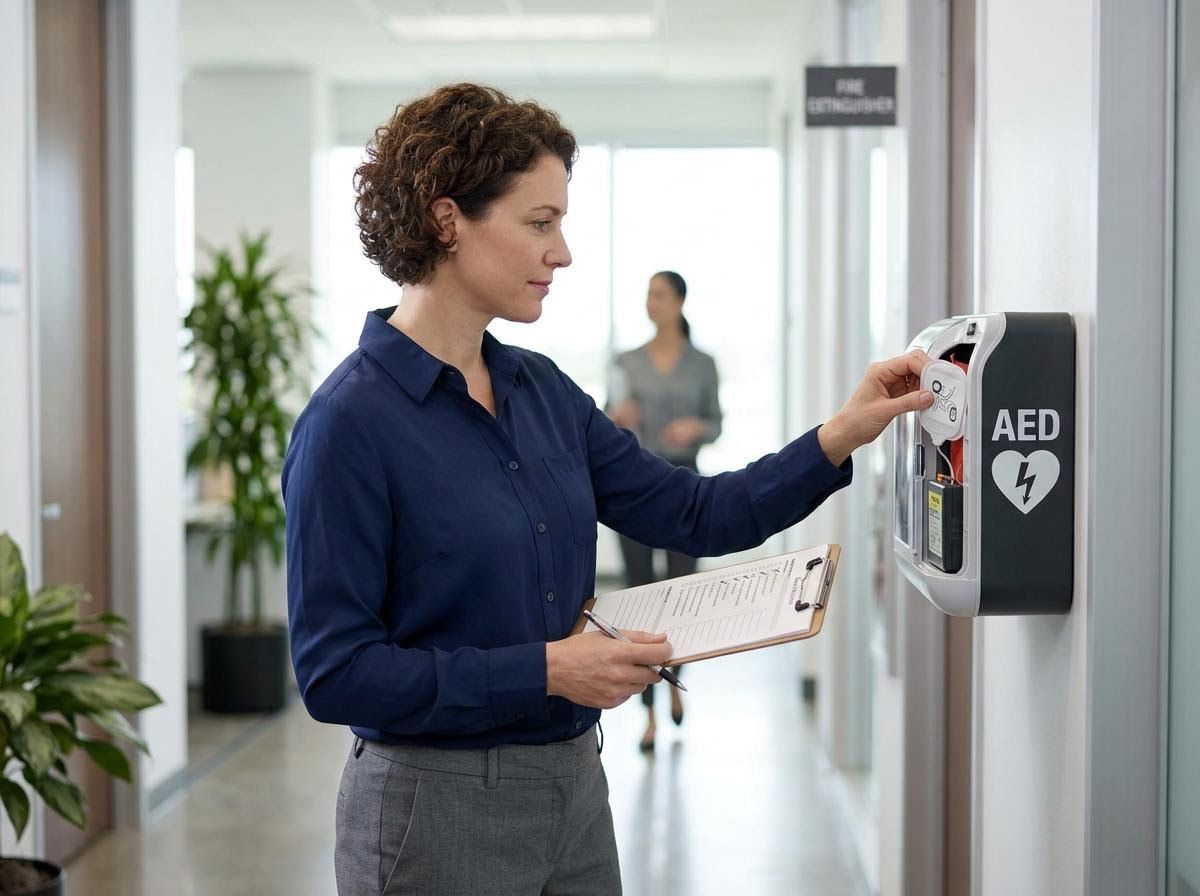
An AED is a life-saving device that requires consistent attention to remain rescue-ready. A proactive AED maintenance checklist is indispensable for any facility manager. This checklist should include routine inspections of each device, verification of battery and electrode pad expiration dates, and ensuring that all accessories are present and in good condition. Keeping detailed records of maintenance activities, training sessions, and incidents is also vital for compliance and program evaluation. Ignoring maintenance can render an AED ineffective during an emergency, undermining your entire safety effort.
Navigating Compliance
Adhering to local, state, and federal regulations regarding AED placement, maintenance, and training is not just good practice; it’s a legal necessity. Facility managers must stay informed about these ever-evolving guidelines to ensure their program remains compliant. Regular audits of your AED program are crucial to identify any gaps in readiness or compliance, allowing for timely adjustments and improvements. This dedication to continuous improvement ensures that your AED program is not just a one-time setup, but a dynamic, effective, and reliable system poised to protect lives.
Implementing and maintaining an effective AED program is a testament to a facility's commitment to safety and preparedness. By focusing on strategic placement, thorough training, diligent maintenance, and unwavering compliance, you create an environment where everyone feels secure, mirroring the safety felt at home. EveryBeat is dedicated to partnering with facility managers to navigate these complexities, offering expert guidance and comprehensive solutions that ensure your life-saving systems are always audit-ready and reliably functioning. To explore how you can further enhance your facility's AED program and compliance, consider reaching out to our experts.