In critical moments, swift action can be the difference between life and death. Establishing a robust Automated External Defibrillator (AED) program is a proactive step every organization should consider to ensure preparedness for sudden cardiac arrest. At EveryBeat, we understand the importance of creating a safe environment where employees, students, and visitors feel secure. This guide will walk you through building an effective AED program step-by-step, ensuring your workplace or institution is ready to respond when it matters most.

Assessing Your Needs and Environment
The first step in building an effective AED program is a thorough assessment of your specific environment and potential risks. Consider factors such as the size of your facility, the number of occupants, foot traffic patterns, and the typical response time of emergency services. Whether you are planning AEDs for schools with busy hallways and athletic fields, or establishing a safety protocol for gym AEDs, understanding these nuances will help determine the optimal number and placement of devices. A careful evaluation ensures that AEDs are strategically located for rapid access, minimizing precious response time during an emergency.
Selecting the Right AED Devices
Once you've assessed your needs, the next critical step is selecting the appropriate AED devices for your program. The market offers a variety of reliable and user-friendly AEDs, each with its own features designed for different environments. Devices such as the Zoll AED Plus are renowned for their Real CPR Help technology, which provides real-time feedback on chest compressions. Another excellent option is the Defibtech Lifeline AED, known for its simple, clear voice prompts and durable design, making it suitable for a wide range of public access defibrillation programs. Consulting with experts can help you choose devices that align with your budget, environmental conditions, and user-friendliness requirements.
Training Your Team
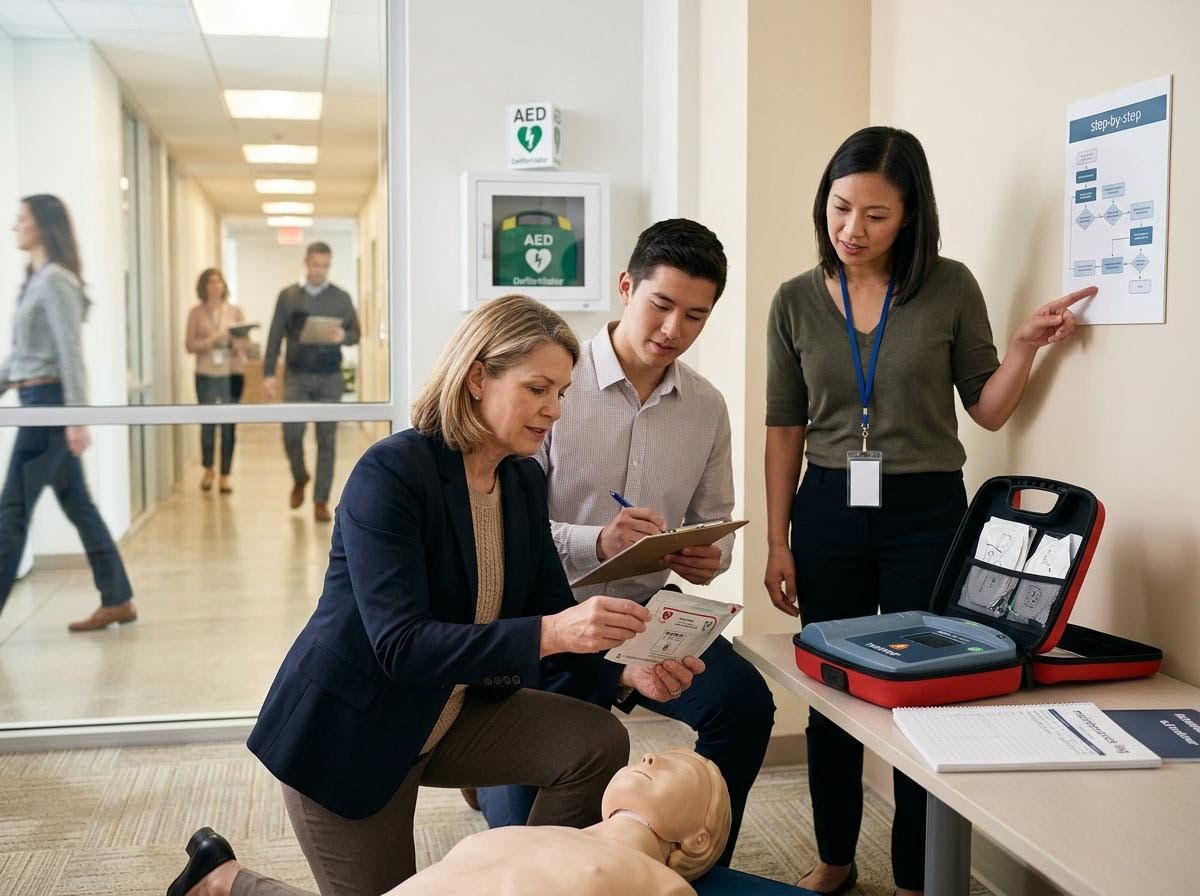
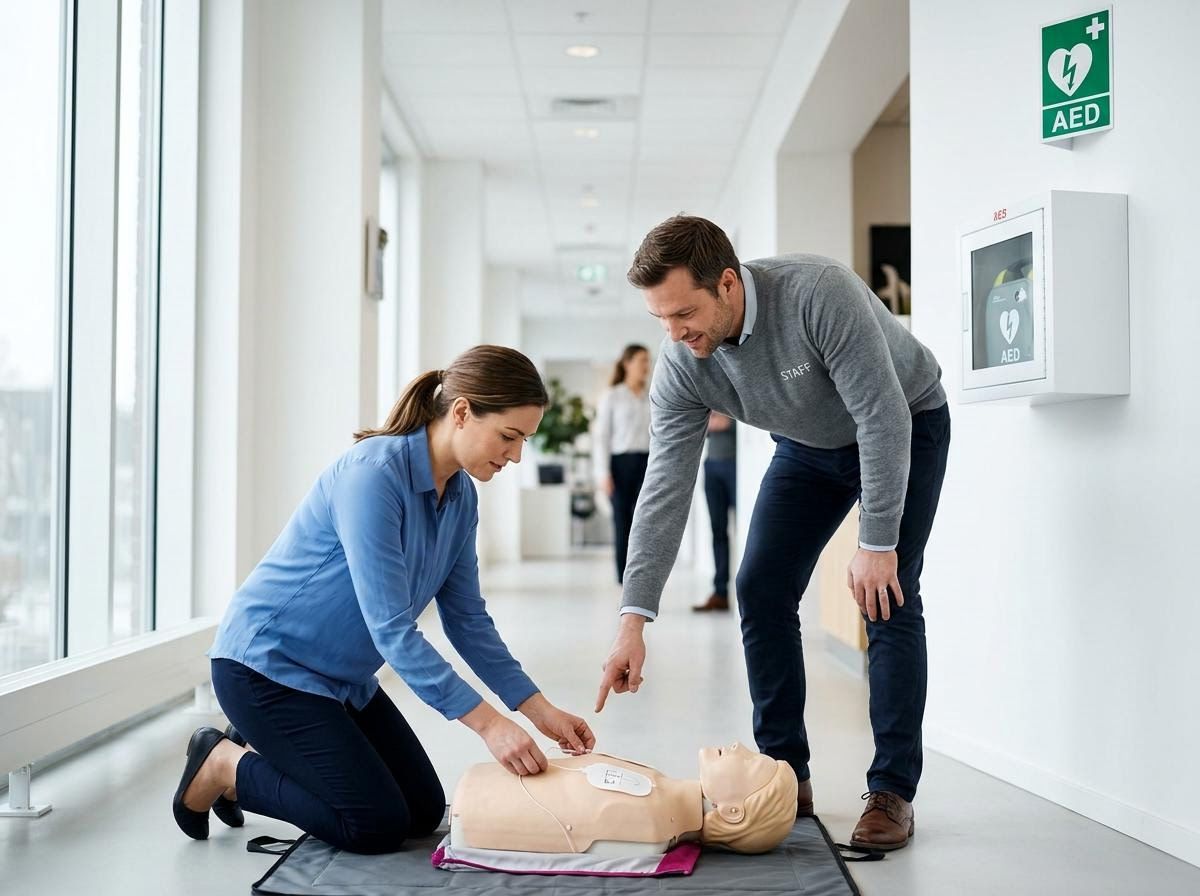
An AED is only as effective as the trained individuals ready to use it. Comprehensive CPR and AED training for a significant portion of your staff is crucial. This training empowers employees to act confidently and correctly during an emergency, bridging the gap until professional medical help arrives. Beyond training, strategic placement of your AEDs is vital. Devices should be easily accessible, highly visible, and located in areas where sudden cardiac arrest is most likely to occur or where large groups of people gather.
Maintenance and Compliance
Building an AED program is not a one-time task; it's an ongoing commitment to readiness and compliance. Regular maintenance is essential to ensure your devices are always in working order. This includes performing routine checks on battery life and electrode pad expiration dates, and verifying that the AED is functioning correctly. Implementing a detailed AED maintenance checklist can help streamline these checks. Furthermore, adhering to local, state, and federal regulations for AED placement, maintenance, and medical oversight is critical. Staying compliant ensures your program is legally sound and medically responsible, providing maximum protection for your organization and its occupants.
Establishing an effective AED program is a profound commitment to safety, offering peace of mind and, most importantly, the potential to save lives. By systematically assessing needs, selecting appropriate devices, training personnel, ensuring strategic placement, and maintaining rigorous compliance, you can create a life-saving system that truly mirrors the security felt at home. To learn more about how EveryBeat can help manage your AED program from initial assessment to ongoing compliance, ensuring your readiness every beat of the way, explore our dedicated solutions.